

Enough room to turn around should be the minimum.

Pigs are highly intelligent, curious, and emotional animals. They form friendships, recognize each other, enjoy exploring their surroundings, and can even solve simple puzzles. Yet in modern industrial farming, many mother pigs spend most of their lives confined in gestation crates, narrow metal cages so small they cannot turn around, walk, or fully stretch their limbs. These animals often spend months standing or lying in the same spot, a level of extreme confinement that causes both physical pain and severe psychological distress.
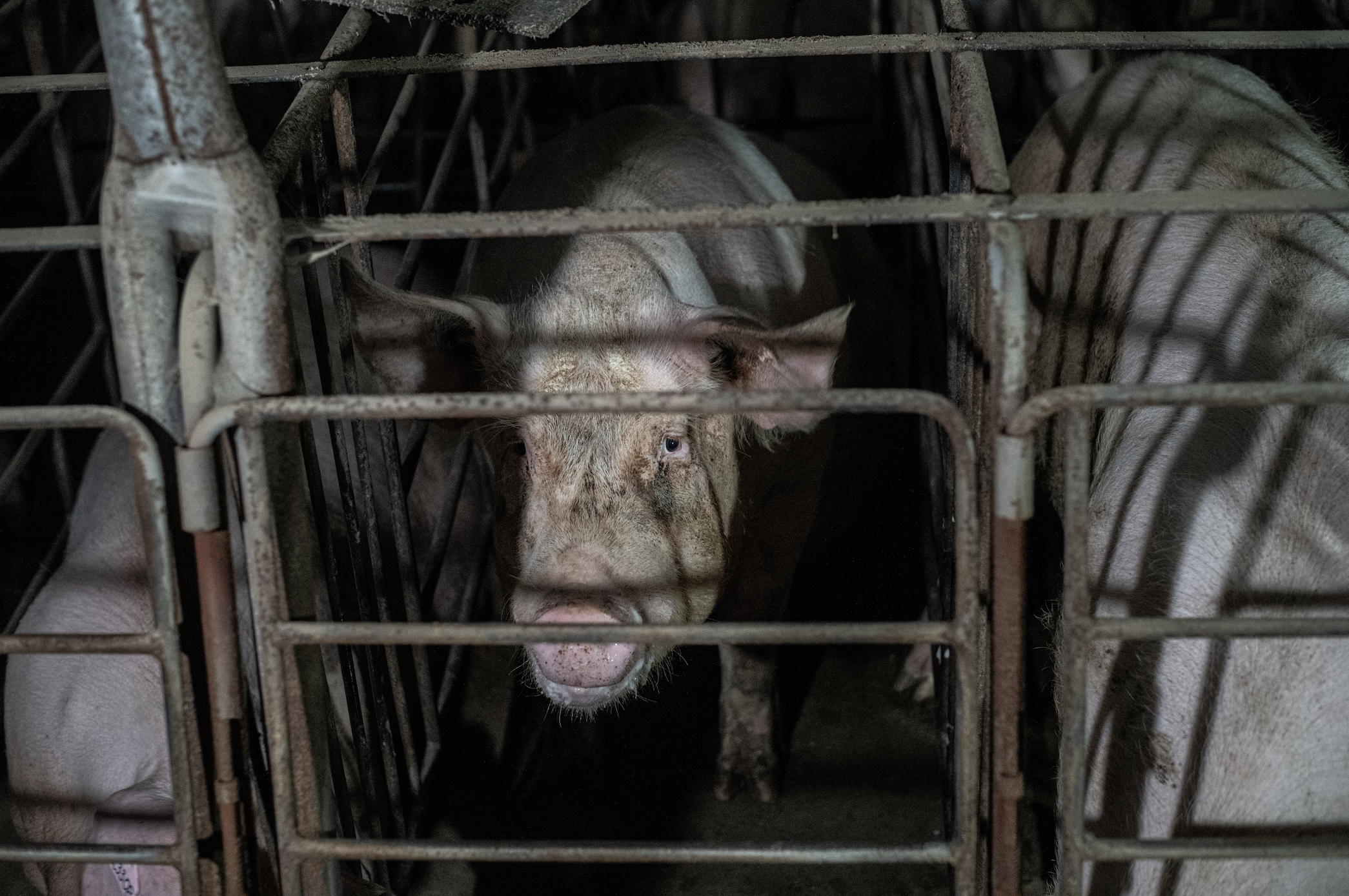
The proposal would ensure that the whole, uncooked pork sold in Boulder does not come from animals who were kept in extreme confinement. It does not regulate restaurants or prepared foods. It focuses on where real change can happen, at the production and distribution level. This approach ensures accountability where it is most effective, upstream in the supply chain.
Importantly, this is not a radical or untested idea. California and Massachusetts have already adopted nearly identical standards. Because of those laws, pork produced under these humane conditions is already widely available across national supply chains. Boulder would simply be choosing to align with a system that already exists. Because these systems are already in place, Boulder can adopt the same standards without disrupting food access or creating new supply burdens for businesses.
At its heart, this initiative is about empathy made practical. It is about recognizing that pigs can suffer, that they experience fear, pain, and frustration, and that we can reduce that suffering in a meaningful way with a small, reasonable standard. Giving an animal enough room to turn around should not be controversial. It should be the floor.
By joining a growing number of jurisdictions with modern animal confinement standards, Boulder can help accelerate the transition away from extreme confinement, reinforce community values around ethical food production, and contribute to lasting improvements in how animals are treated across the pork industry.
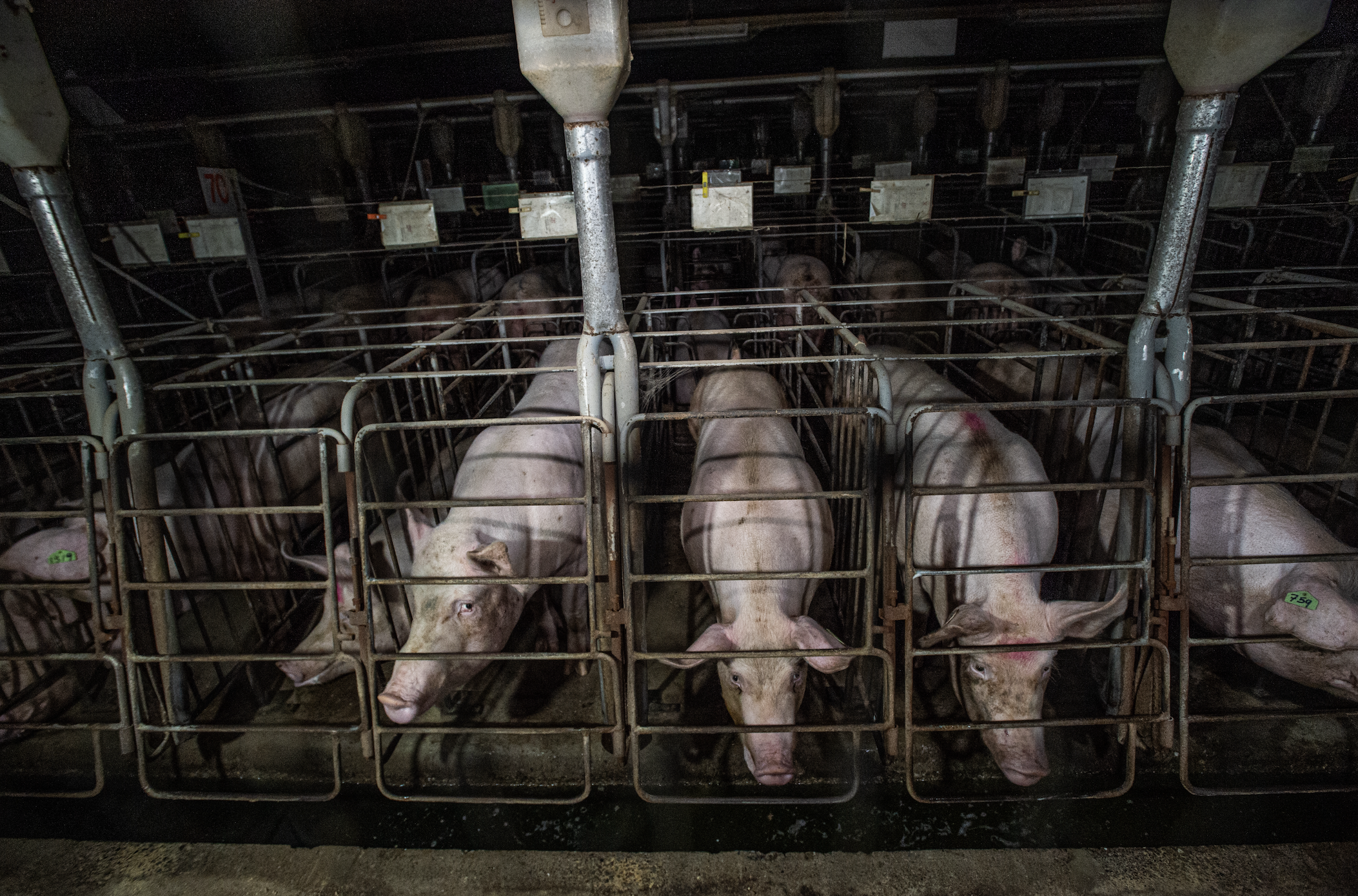
Mother Pigs in Gestation Crates during entire 4-month pregnancy